top of page


RESEARCH BLOG.
Use the search bar at the top to look for specific posts/topics.


The Solution is Us Helping Us: The Journey to Create The Missing Black Woman Disparity Toolkit
The Missing Black Woman Disparity Toolkit resource discussed in this blog can be found here: https://www.nanwashingtonfoundation.com/missing-black-woman When I was 10 years old, I was almost kidnapped while living in Oakland, California. A man approached me and said, "ey, little girl, I have something for you in my car." My response was to yell out, "No thank you!" and immediately run. Later that evening, my mother and uncle went looking for the man who attempted to abduct me
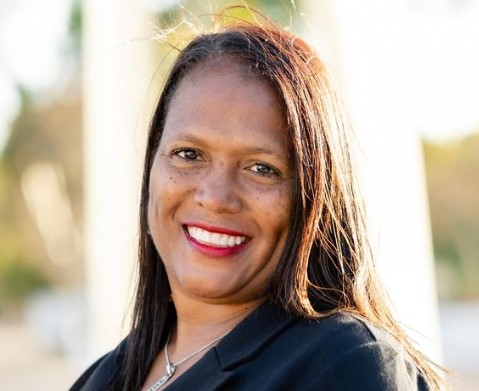
Kasey Phillips Brown


Why “Just Search” Isn’t Good Enough
Many forensic anthropology and disaster victim identification texts reduce search to a single procedural step: “Search for remains or evidence.” The brevity implies that searching is straightforward when, in reality, outdoor searches involve dynamic environments, changing remains, and complex assumptions about how bodies behave after death. Simplistic thinking about searching can cause increases in time, money, and manpower expenditures. It can also lead to poor results for t
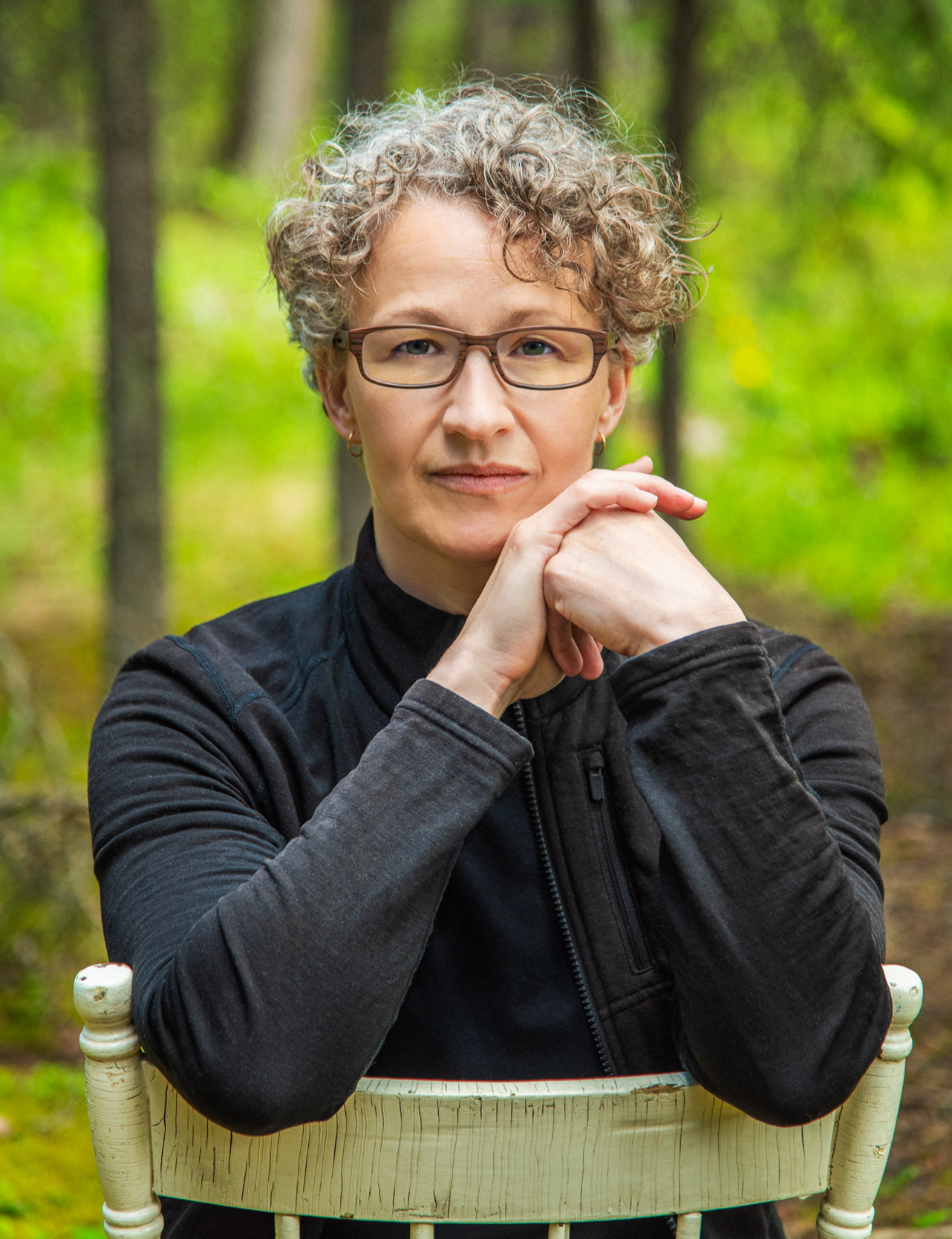
Yvonne Kjorlien


Rolling media coverage of missing persons cases can add to the trauma for all families left behind
The public has been privy to live footage of police operations. New South Wales police, dressed in overalls, scoured dense bushland to retrieve a small piece of fabric. Reports suggested the yet-to-be analysed fabric may be linked to the case of missing boy William Tyrrell. William’s case – along with the location of Cleo Smith in Western Australia and recent developments in the case of missing campers Russell Hill and Carol Clay in Victoria – have been prominent news stories

Missing Persons Research Hub


Music Activism and Missing Children: Lessons from the “Runaway Train” Video 30+ Years Later
As some children/youth do, sometimes without much thought, I would run away from home. These bouts of running off were not rebellious, but were, at times, moments when I was overwhelmed by my home environment or, in one case that I can recall, when I wanted to go swimming at the local swimming pool, even when that trek involved crossing the highway. In hindsight, I consider it fortunate that a neighbour found me stuck in a wrought-iron fence alive and well, though not surpris
Kelsey Konjolka


Quashing Some Myths About Missing Persons
The field of missing persons contains many myths. Why, you may ask? First, missing person cases are often discussed in the context of serial murders, vanishings, mystery, and crime in the public sphere. This has been the result of, and has led to the creation of, many podcasts , web sleuths, and true crime shows. One can imagine that these do not always involve credible and verified information. Yet, these sources are some of the most consumed forms of content in Canada and

Lorna Ferguson


What is Missing White Woman Syndrome?
Twenty-two-year-old Gabby Petito was reported missing on September 11th, 2021, while on a cross-country van trip with her fiancé, Brian Laundrie. Her remains were identified ten days later, on September 21st, 2021, with her cause of death being reported as strangulation. She was killed by her fiancé, who then later disappeared and was found with a self-inflicted gun wound around a month after Gabby was reported missing. Stemming from this case were considerable public discu

Dani Friedman


How do we identify human remains?
The case of a surgical implant found inside a Queensland crocodile has highlighted the challenges forensic scientists face when trying to identify human remains without much evidence to go on. Did the crocodile eat a human with a surgical implant? If so, could the implant — a metal plate and some screws — be used to identify the victim? Or did the implant come from a dog? Death by crocodile is reasonably rare. In the past decade, there have been about 67 crocodile attacks i

Jodie Ward


‘No one is truly there to help’: why so little is known about the reasons people go missing
As part of new research into missing persons in Australia, I have been asking people who return after disappearing what they needed or wanted. Mary, who has gone missing four times in the last few years, responded, I just wanted someone to ask if I was OK when I came back. Voices like Mary’s are not often heard, nor are their problems understood, when we talk about the mystery and intrigue of missing persons cases. Every hour in Australia, 100 police reports are generated abo

Sarah Wayland


The Power of Stigma: How does Self-Ageism Contribute to Missing Occurrences?
Over the course of the COVID-19 pandemic, many of us have watched in horror as harrowing outcomes have been documented in long-term care across Canada, reminding us that our social programs to support the aged need to be strengthened, revamped, and even reimagined. Equally revealing is that in the early days of the pandemic, we witnessed countless evasions to public health restrictions, with people refusing to wear masks or hosting large gatherings because “the virus only aff

Larissa Kowalski


Check Your Sources – What the Public Needs to Know About Missing Persons Data
I am writing this blog in follow up to Lorna Ferguson’s insightful post from January 26, 2021: “We Need Usable National Data on Missing Persons, Now” . As an investigator, I lose sleep over missing persons. Having shared a small part of the story of hundreds of families, I feel the pain associated with each one and feel helpless when there is nothing I can do to resolve it. Even though I have been fortunate enough not to have personally experienced this type of ambiguous loss

Cpl. Jennifer Sparkes
bottom of page