


Why “Just Search” Isn’t Good Enough
Many forensic anthropology and disaster victim identification texts reduce search to a single procedural step: “Search for remains or evidence.” The brevity implies that searching is straightforward when, in reality, outdoor searches involve dynamic environments, changing remains, and complex assumptions about how bodies behave after death. Simplistic thinking about searching can cause increases in time, money, and manpower expenditures. It can also lead to poor results for the search, the searchers, and the case file.
In this post, I’ll outline three assumptions about “just searching” for outdoor surficial sites that we need to question so that we may conduct searches in a comprehensive, efficient, and compassionate manner.
Assumption 1: The site and person(s) were deposited intact
I’ve participated in a few searches for dispersed remains as the anthropologist on site. There seems to be a “one size fits all” type approach. Every search I was on, the searchers searched in a long line or transect. They would either walk transects with sticks or conduct hands-and-knees grid searches. Searchers typically use a method that works better for intact bodies than those that are disarticulated and dispersed. Many searches implicitly assume that methods effective for locating intact living individuals will also work for locating scattered human remains. Using a “one size fits all” type approach can have searchers walking over potential forensic evidence or burning out before they’ve completed the search area.
A grid of walking searchers may be suitable for flat, open spaces in which ground visibility is good. An ad hoc method where a few specially trained searchers walk game trails and then call in the hands-and-knees team for spot searching may be better for forested areas with known scavengers.
Search methods must be adapted to the environment and the likely condition of the remains. Treating all searches as if they involve intact bodies risks missed evidence, exhausted personnel, and incomplete recoveries.
Assumption 2: The site and person(s) have remained as they were deposited
We know that there are multiple factors in outdoor contexts that may affect a body or site: weather, scavengers, temperature, humidity, etc. Searches often implicitly assume the body and scene remain close to their original condition. Challenging this assumption recognizes that there are many factors, including time, which will have affected the decedent, their remains, and their site of original deposition.
From decomposition to scavenging to bone weathering, environmental factors in Canada can reduce a human body to scattered and fragmented remains within a matter of weeks, given the right conditions. These factors are not linear or discrete, sequential events. Scavenging, weathering, insect activity, and decomposition occur concurrently and can be influenced by season, temperature, and landscape. Searchers may need to identify indirect indicators such as body staining, clothing fragments, altered game trails, or scat.
Scattered remains in outdoor contexts are not uncommon. Yet complete recoveries are uncommon in outdoor contexts because environmental and scavenging processes continue long after deposition. While the original site of deposition can initially be confined to a small area, scavengers, particularly canids (as documented in the Scavenging Study), can disperse remains several hundred metres or kilometres.
Investigators, search managers, and searchers must be prepared to alter their search method to suit the possible search area’s size, as well as ensure that they are looking for materials appropriate to the environmental factors that acted upon the body since its deposition. They must also adjust their expectations for recovery rates accordingly.
Assumption 3: All personnel have equal capacity to contribute to a search
Searches are often treated as labour problems: more people, more eyes, better results. But locating skeletal material in natural environments is a specialized skill, not simply a matter of participation. When a hiker has found a skull, do you want people on the search who have been trained to look for bone and bone fragments, or who have been trained to rescue a living person? Recognizing bone in natural environments is a special skill set that requires training.
Effective searchers require training in taphonomy, scavenger behaviour, environmental alteration, and the visual recognition of degraded forensic evidence. Such training improves the efficacy of a search, saving the agency time, effort, and money. Treating the trained search personnel as interchangeable with untrained laypersons or family members undermines the investigation, its investigators, and any experts who may be consulting on the search.
Investigators must be confident that search personnel have examined a search area and recovered or identified all potential forensic evidence. Knowing the limits of your searchers and appropriately engaging those with training can increase the confidence with which investigators can say of a search, “Yes, we’ve done our best.”
Conclusion
Outdoor forensic searches are not simple acts of looking. They require an understanding of how bodies, environments, scavengers, and time interact after death. Treating a search as “just search” obscures the complexity of recovery work and risks incomplete investigations, missed evidence, and preventable failures.

Writer: Yvonne Kjorlien
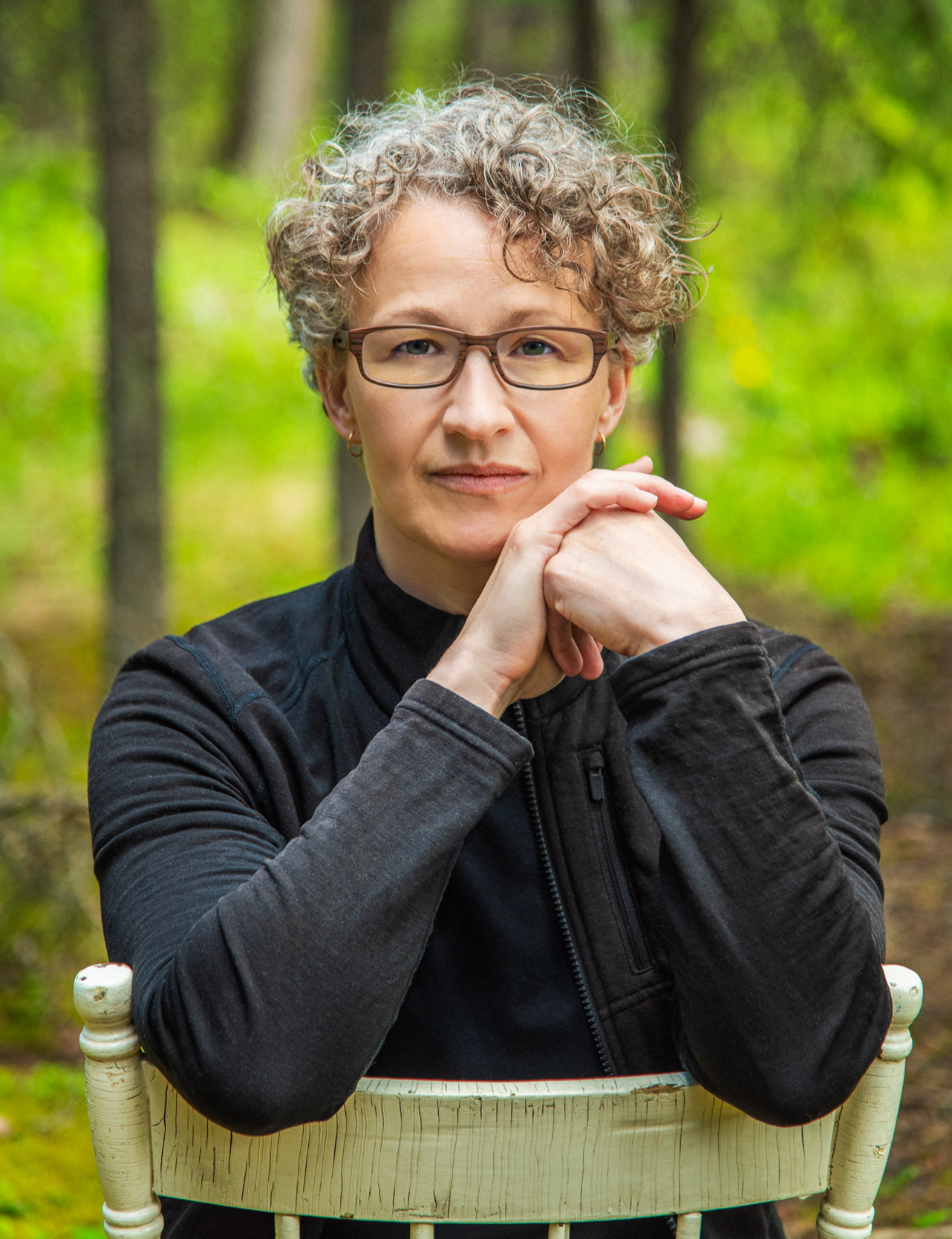
Yvonne Kjorlien has been a consulting archaeologist and physical anthropologist since 1998. Her specialized work includes: The Scavenging Study: She lead the Alberta portion of a cross-Canada study investigating how animal scavengers (like coyotes and bears) scatter human remains. This research helps forensic investigators more effectively search for and recover evidence. The Scattered Podcast: She hosts this podcast, which explores the search for stories behind human remains through interviews with experts in forensics, archaeology, and death care. Consultation & Training: She offers forensic anthropology and archaeology consultation for law enforcement and volunteer search groups.


Comments